


The turning reels of Rainbow Riches have enchanted a global audience for years, but beneath the cheerful Irish theme and hopping leprechauns lies a deeper philosophical question that splits players and observers alike. The debate revolves around if a jackpot is a preordained stroke of fate or a result of free will and timing. In the United Kingdom, where the game emerged and remains a staple of online casinos, this discussion has acquired a life of its own. For some, every bonus round unlocked is destiny unfolding. For others, the decision to press spin at a precise moment is an act of pure agency. This article explores the many layers of that tension, without absolutely picking a side.
How Random Number Generators Shape Every Spin
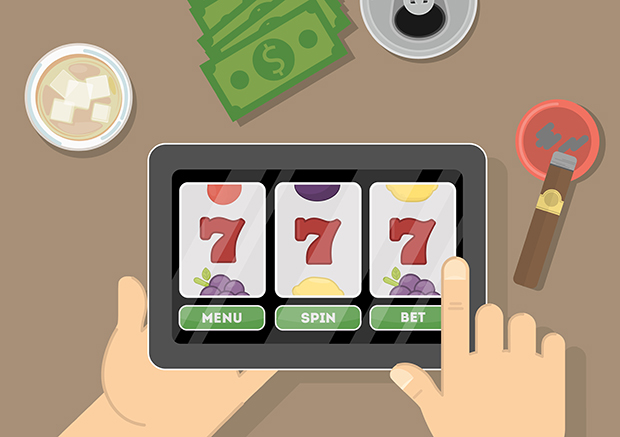
At the heart of the debate lies the random number generator, a sophisticated algorithm that creates thousands of number sequences per second, even when no one is playing. The moment the spin button is pressed, the most recent number is converted into a reel position, locking the outcome instantly. Regulatory bodies in the United Kingdom, such as the Gambling Commission, mandate rigorous testing of these systems to guarantee genuine unpredictability. From a purely mathematical standpoint, there is no room for fate or free will. The result is a product of chance alone, grounded in code that cannot be swayed by hope, timing or leprechaun folklore. Yet, the human brain has difficulty to accept such cold neutrality, always looking for a cause behind every effect.
The Philosophical Clash: Predestination Versus Autonomy
The age-old struggle between determinism and liberty finds a modern home on the casino floor. In the context of a slot machine, fate implies that every win or loss was predetermined the moment the random number generator generated its sequence. Free will, conversely, indicates that the player’s choice of when to spin, when to stop or how to engage with a bonus feature substantially affects the result. This is not just an abstract thought. It shapes how a person tackles the game, controls their budget and interprets both winning streaks and losing sessions. Grasping this tension illuminates why two players can sit side by side, use identical stake levels and emerge with radically different interpretations of the same session.
Gambler Accountability and the Bigger Picture
Caught between the allure of destiny and the need for control, the accountable gambler finds a middle ground. Recognising that the game outcome is unpredictable while maintaining full command over funds and session duration allows enjoyment without illusion. The dialogue itself improves the experience for a lot of gamblers, turning a simple game into a mirror showing personal beliefs about chance, endeavour and the world. In the UK, where Rainbow Riches enjoys legendary standing, this dichotomy is part of its timeless attraction, prompting talks that extend far beyond the machines. Regardless of one leans towards fate, autonomy or a blend of the two, the most significant act of independence stays the choice to play mindfully and within one’s means.
Často kladené otázky
Má si Rainbow Riches paměť na dřívější otáčky?
V žádném případě, hra uplatňuje certifikovaný generátor náhodných čísel, který považuje každé točení jako zcela samostatnou událost. Protrahovaná řada proher nenavyšuje možnost pozdější vítězství a hlavní výhra nezpůsobí, že by stroj byla míň pravděpodobný vyplatit odměnu znovu. Tento design garantuje fair play a vyhovuje tvrdým pravidlům hazardu, čímž odstraňuje jakoukoli ideu fatu založené na vzpomínce z procesu.
Je možné čekání mezi otáčkami změnit výsledek?
Přestávka nemění podkladovou náhodnost. Generátor náhodných čísel funguje nepřetržitě a v momentě, kdy je aktivováno tlačítko pro točení, je aktuální číslo uzamčeno. Zda čekáte 1 vteřinu nebo jednu minutu, outcome bude odlišný, protože číslicová posloupnost postoupila, ale tvé časování nepřispívá výhře ani ztrátě žádným predikovatelným směrem. source
Je nejlepší časový čas pro hraní Rainbow Riches?
Žádný čas dne neposkytuje matematickou výhodu. Generátor náhodných čísel nereaguje dle hodin nebo zátěže serveru. Mýty o nejvyšších výplatních obdobích jsou zrozeny z náhodných výher a konfirmačního předpojatosti. Internetová hazardní herny spouštějí shodné algoritmy nezávisle na době, čímž zaručují, že každý hráč má identickým pravděpodobnostem, jestli točí v poledne nebo o půlnoci.
Z jakého důvodu, že hráči mají pocit ovládání během bonusových kol?
The extra features, such as the Pick Me feature, involve a physical choice, like selecting a symbol. This interaction deceives the brain into thinking the outcome is skill-based. In reality, the prize is predetermined the moment the bonus is initiated. The choice simply shows a fixed value, generating a reddit.com compelling but false sense of agency that amplifies the free will illusion.
By what means does the UK Gambling Commission guarantee fairness?
The Commission stipulates that all authorized operators use software that has been evaluated by unbiased laboratories Rainbow Riches Slot. These tests verify that the random number generator cannot be forecast or altered and that the displayed return to player percentage is accurate over millions of spins. This supervisory framework guarantees that neither fate nor free will can compromise the integrity of the game.
Can the Leprechaun symbol predict a big win?
The Leprechaun is a Wild symbol that substitutes for others to form winning combinations, but it does not indicate or forecast future results. Players sometimes see its regular appearance as a sign of an upcoming jackpot, a standard example of pattern-recognition behaviour. Statistically, the symbol appears according to determined probabilities, and each occurrence is an independent, random event with no predictive power.
Should players regard the game as fate or a test of skill?
Players should see Rainbow Riches as a game of luck wrapped in an engaging interactive layer. Viewing it as destiny can lead to pursuing losses under the assumption a win is guaranteed. Approaching it as a skill game may fuel overconfidence. A balanced perspective, where the randomness is acknowledged and personal limits are honored, leads to a more sustainable and more enjoyable gaming experience overall.
The Magic of Rainbow Riches
Rainbow Riches is much more than a simple slot machine. Its vibrant graphics, upbeat soundtrack and familiar symbols like the wishing well and pots of gold create an engaging experience that promotes repeat play. The game’s numerous bonus features, like the Road to Riches and the Pick Me bonus, inject variety and the feeling of control. Players often believe they are having important choices when choosing a leprechaun or a path. This feeling of involvement is a deliberate design choice that fuels the free will side of the debate. The slot does not feel passive, and that perceptual shift is vital to comprehending why so many people believe their decisions really influence the outcome of each round.
Almost Wins and the Illusion of Control
Few sensations are as powerful as observing two pots of gold hit the payline while the third hovers just one position away. Game designers know that near misses elicit a intense psychological response, releasing dopamine almost as successfully as a true win. In that short moment, the player often imagines, “If I had pressed the button a fraction of a second earlier, I would have hit the jackpot.” This is the illusion of agency at its most potent. The brain creates a hypothetical where free will could have changed history. In truth, the random number had already set the positions. That near miss was always going to happen exactly as it did, yet the feeling that agency was robbed keeps the debate burning brightly after every session.
Variance, RTP and the Statistical Framework
Slot mathematics further complicates the fate versus free will discussion. Rainbow Riches operates with a defined return to player percentage and a defined volatility profile that determines the frequency and magnitude of payouts. These parameters are hardwired into the game’s code and verified over millions of simulated spins. They ensure that over an extended period, the machine will behave within predictable boundaries, regardless of who is playing. This design can seem like an impersonal destiny, a mathematical fate written long before the first coin was ever wagered. Yet the player’s decisions about bet size, session length and when to walk away introduce a significant dose of free will into the monetary outcome, even if not into the spin results themselves.
Fortunate Charms and Belief-Based Rituals
Walk through any online player community and you will find tales of rituals designed to summon the elusive pot of gold. Some players only spin with a specific finger, others wear green clothing or play at a particular time of day. These acts are embodiments of the free will argument, suggesting that a person’s actions can nudge probability in their favour. In the Rainbow Riches universe, the leprechaun himself becomes a symbol of luck that players try to attract. Such behaviour is innocuous and even adds to the entertainment value, yet it illustrates a deep-seated refusal to accept that a microchip alone decides the outcome. The rituals provide comfort, transforming a passive experience into one that feels participatory and charged with personal power.
The Gambler’s Fallacy and Observed Patterns
Human thinking is programmed to detect patterns, even when none are present. After a losing streak on Rainbow Riches, a player could become sure that a win is overdue, as though the slot is owed a payout. This is the gambler’s fallacy in action, a tendency that leans heavily towards a destiny-based view of the world. The mind builds a story where the machine is limited by a cosmic balance, and patience will be compensated. However, the reality is that each spin is an isolated event. The software has no memory of previous results. Despite this, the fallacy persists, illustrating how deeply the impression of a predetermined order can outweigh statistical truth and influence playing behaviour in the long run.